


Одним из самых ярких трендов последних двадцати лет в науке является глобальное потепление! Часть ученых понимают под этим термином повышение средней температуры климата нашей планеты, якобы вызванное последствиями человеческой деятельности, через повышение концентрации парниковых газов в атмосфере Земли.
Многие из нас имеют свои собственные дачные участки или коттеджные постройки. В этом случае нужно продумывать не только дизайн интерьера, но и обустройство экстерьера. Об этом узнать вы можете на сайте https://russad.ru/uslugi/landscaping/. Что же сюда входит?
Научный термин глобальное потепление чаще всего используется учеными для обозначения роста средней температуры атмосферы и воздуха у поверхности планеты, хотя по некоторым данным до 90 % энергии потепления аккумулируется именно в мировом океане.
- Возможные причины глобального потепления
- Потенциальные последствия глобального потепления
- Предполагаемые последствия глобального потепления для России
- Попытки предотвратить потепление климата Земли
- Заблуждения и мифы о глобальном потеплении
- Цифры и факты об изменениях климата
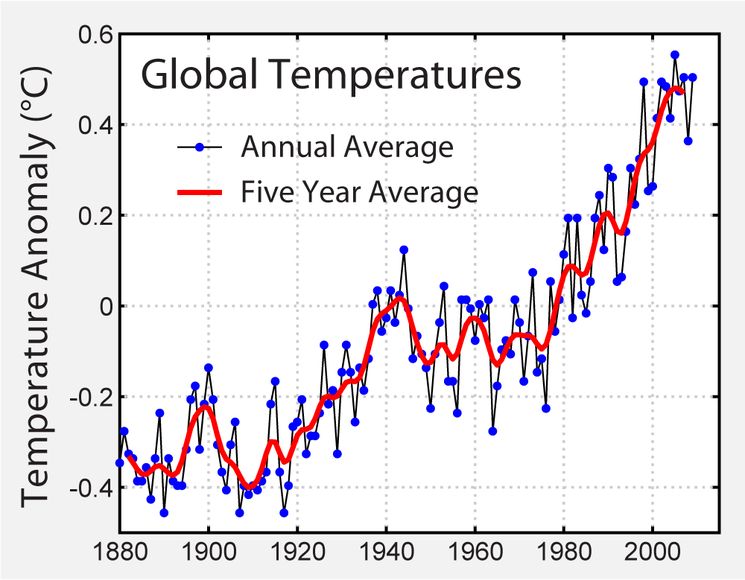
С 1900 года средняя температура воздуха на Земле возросла на 0,74 °C, при этом 60% повышения приходятся на период с 1980 по 2010 года, то есть практически каждое из последних трёх десятилетий было теплее предыдущего. Давайте попробуем разобраться, есть ли в этом потеплении вина человечества, или кто-то пытается водить нас за нос?
Возможные причины глобального потепления
К возможным причинам глобального потепления четвертый оценочный доклад Межправительственной группы экспертов по изменению климата (МГЭИК) в 2007 году отнес повышение концентрации парниковых газов вследствие человеческой деятельности.
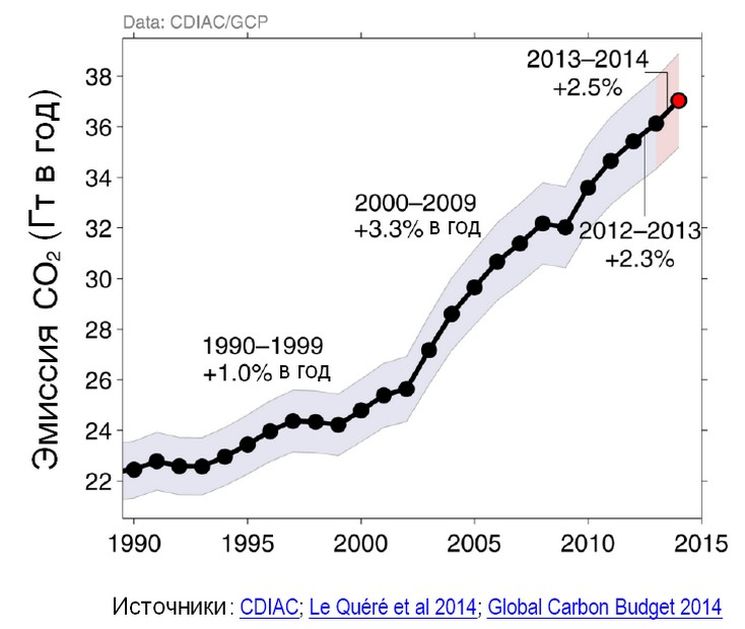
Спустя три года, ряд ученых ведущих индустриальных стран планеты согласились с такими выводами, а уже в 2013 году пятый доклад МГЭИК дал следующую оценку:
Таким образом МГЭИК настаивает, что причиной глобального потепления климата Земли на протяжении конца XX начала XXI веков кроется в повышенном уровне парниковых газов вследствие деятельности человечества. По версии ученых из МГЭИК и согласно принятых в моделях значений чувствительности климата к изменению концентрации парниковых газов, величина возможного роста средней температуры климата на протяжении 21 века составит 1,1—2,9 °C для минимального сценария эмиссии, а при максимальной эмиссии средняя температура может подняться на 2,4—6,4 °C. Для справки с 2000 по 2010 годах эмиссия парниковых газов увеличивалась на 2,2 % в год, при этом в период 1970—2000 годы рост эмиссии составлял 1,3 % в год.
Потенциальные последствия глобального потепления
В разных регионах планеты потенциальные последствия глобального потепления могут будут различными. Основную опасность может представлять изменение количества и характера осадков, повышение уровня моря с одновременным увеличением площадей пустынь.
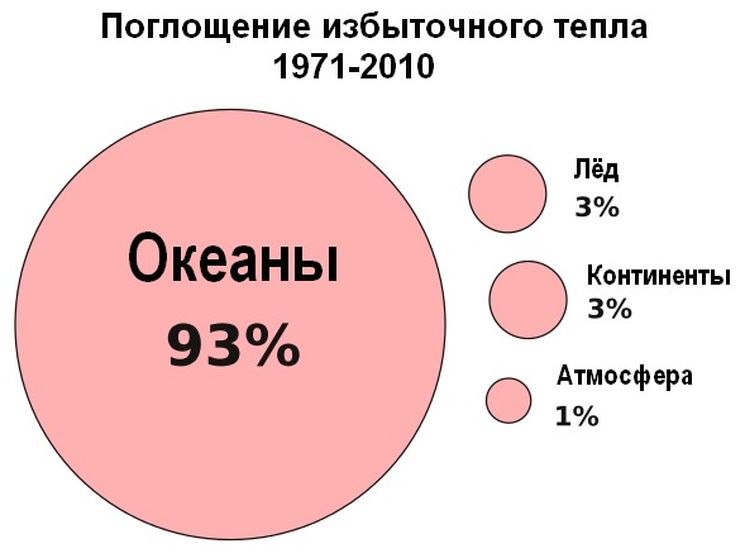
К рискам глобального потепления ученые относят в том числе и окисление океана; увеличение частоты экстремальных погодных явлений, включая как засухи так и ливневые дожди; возможное вымирание отдельных биологических видов из-за изменения температурного режима. Всё это может снизить урожайность и привести к продовольственным проблема, особенно в неблагополучных регионах Африки и Азии. Мало того, из-за возможного повышения уровня моря некоторые места обитания станут просто недоступны для людей.
Предполагаемые последствия глобального потепления для России
Отечественный Росгидрометцентр выделил для России следующие возможные риски, которые могут быть связаны с глобальным потеплением:
- рост интенсивности, продолжительности и повторяемости экстремальных осадков и наводнений, случаев опасного для сельского хозяйства переувлажнения почвы в одних регионах, и засух в других;
- деградация вечной мерзлоты с ущербом для строений и коммуникаций в Заполярье;
- повышение пожароопасности в лесных массивах;
- увеличение расходов электроэнергии на кондиционирование воздуха в летний сезон для значительной части населённых пунктов;
- нарушение экологического равновесия, вытеснение одних биологических видов другими;
Попытки предотвратить потепление климата Земли
Основным международным соглашением о противодействии глобальному потеплению до 2012 года был знаменитый Киотский протокол, который был согласован еще в прошлом веке, но вступил в силу лишь в начале 2005 года. Киотский протокол является дополнением к Рамочной конвенции ООН об изменении климата, принятой 9 мая 1992 года. Согласно Киотского протокола более 160 стран мира участвуют в программе регулирования эмиссии парниковых газов, что перекрывает 55 % общемировых выбросов.
Страны участницы Рамочной конвенции Организации Объединенных Наций об изменении климата на конференции в Канкуне (Мексика) в 2010 году утвердили основную цель работы как ограничение глобального потепления величиной 2 °C и заявили о «настоятельной необходимости принять неотложные меры» для достижения этой цели.
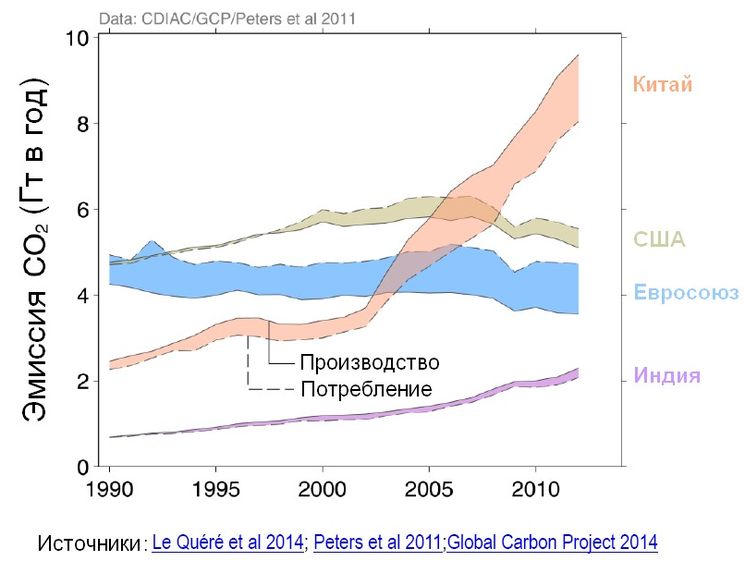
При этом США, Евросоюз и Китай сегодня имеют промышленность, которая за время срока службы выбросит в атмосферу Земли больше углекислого газа, чем приходится на «долю этих стран при равномерном подушевом распределении глобального эмиссионного бюджета» для 2 °C. Китай по объемам выбросов СО2 в атмосферу уже обогнал США и Евросоюз, вместе взятые.
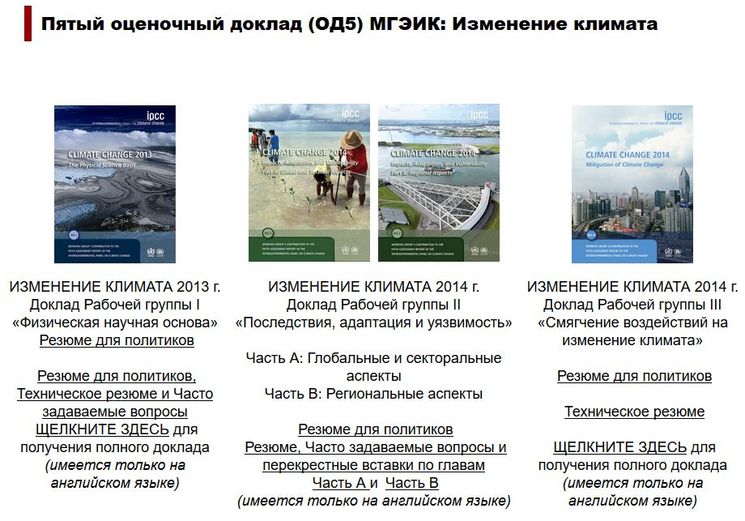
По сути все усилия на борьбу с глобальным потеплением направлены на снижение эмиссии углекислого газа в атмосферу, хотя, некоторые ученые предлагают любопытные методы, как, например, забор углекислого газа из атмосферы с помощью удобрения вод мирового океана железом.
Заблуждения и мифы о глобальном потеплении
Помимо тех, кто свято верит в гипотезу глобального потепления и в то, что причинами роста температуры являются люди и их промышленность, есть и те, кто скептически относится к подобным заявлениям. Есть даже термин — «климатический скептицизм», то есть недоверие к определенным представлениям о глобальном потеплении климата планеты. Предметом сомнений «климатические скептиков» часто является как сам факт потепления, так и роль человечества в этом процессе.
Например, «климатические скептики» не верят в полное таяние льдов Арктики к 2030–2050 годам, о чем предупреждают приверженцы антропогенной версии глобального потепления.
Есть даже такие, кто утверждает, что «теория глобального потепления» это ничто иное как «заговор», с целью контроля над странами и корпорациями, а так же удобный механизм получения финансирования на научные исследования, связанные с изменениями климата.
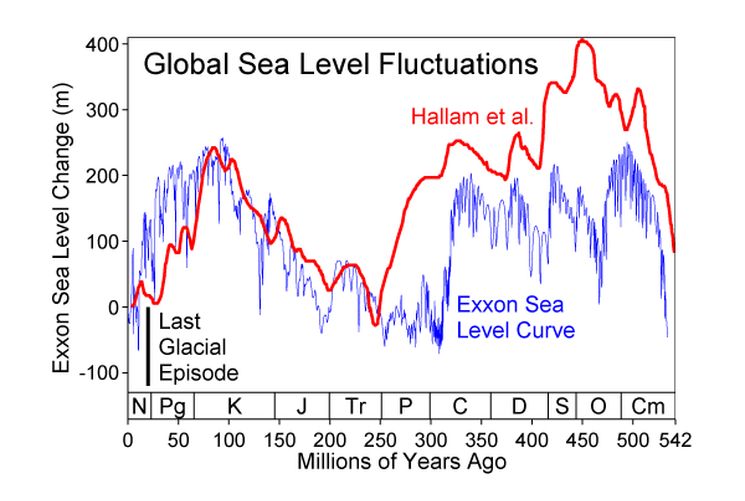
Масла в огонь подлил так называемый «Климатгейт» — скандал, связанный с утечкой архива электронной переписки, файлов данных и программ их обработки из отделения климатологии университета Восточной Англии в Нориджe. В 2009 году неизвестные лица распространили через интернет архивный файл, который содержал информацию, похищенную из отделения климатологии университета Восточной Англии, который является одним из трёх основных поставщиков климатических данных для МГЭИК при ООН.
Так вот содержание опубликованного архива с данными дало возможность критикам теории антропогенного глобального потепления (АГП) утверждать, что:
- климатологи-сторонники теории АГП скрывают информацию о климате от противников теории;
- искажают результаты наблюдений с тем, чтобы подтвердить глобальное потепление;
- препятствуют публикации научных трудов, не согласных с их взглядами;
- удаляют файлы и переписку, лишь бы не раскрывать их в соответствии с законами о свободе информации.
По ссылке можно познакомиться с данными из архива по информации которого было проведено несколько независимых расследований, в которых изучалась деятельность ученых, участвовавших в данной электронной переписке. Все эти расследования оправдали ученых, но пищу для размышлений публикация однозначно дала богатую!
Тот факт, что Гринпис, WWF и Центр международного экологического права настаивают на том, что топ-менеджеры корпораций, работающих на ископаемом топливе, должны быть привлечены к ответственности за противодействие политическим мерам, направленным на борьбу с потеплением климата — уже настораживает, ведь тот же злополучный Гринпис просто так «не работает», там где не пахнет большими деньгами они чаще всего молчат.
Цифры и факты об изменениях климата
Главным моментом, на который ссылаются климатологи-сторонники теории антропогенного глобального потепления, является процесс таяния ледников Арктики и Антарктики. Согласно открытой статистике за последние пятьдесят лет температура в юго-западной части Антарктиды выросла на 2,5 °C. Так например в 2002 году от шельфового ледника Ларсена, расположенного в Антарктиде, откололся айсберг площадью свыше 2500 км² и толщиной до 200 метров, хотя на протяжении десяти тысяч лет этот ледник оставался стабильным. Таяние шельфового ледника Антарктиды привело к выбросу внушительного количества айсбергов (более тысячи айсбергов) в море Уэдделла. И хотя площадь оледенения Антарктики растёт, масса её льдов уменьшается.
Учеными также отмечен факт ускорения с начала 1970-х годов процесса деградации вечной мерзлоты, по данным статистики температура грунтов вечной мерзлоты в Западной Сибири повысилась на 1 °C, а в центральной Якутии на 1,5 °C. На соседнем континенте в северной части Аляски температура верхнего слоя мёрзлых пород увеличилась на 3 °C с середины 1980-х годов.
Показательным фактом глобального потепления можно считать обнаружение исследователем Деннисом Шмиттом в 2005 году того, что полуостров в Гренландии, который ещё в 2002 году был соединён с Землёй Ливерпуля льдом, стал островом. То есть долгие годы толстый слой льда не позволял обнаружить, что под ним нет земли, и понять, что перед исследователями остров, окруженный водой, а не полуостров. В итоге новоиспеченного назвали буквально «Остров Потепления».
P.S. Вот буквально на днях вышла отличная статья о мифах глобального потепления в английском The Telegraph:
Такие ученые-климатологи как профессор Peter Wadhams (Кембриджский университет) и профессор Wieslaw Maslowski (аспирантура ВМС США в Монтерее, штат Калифорния), в последние годы регулярно прогнозировали практически полное таяние арктических льдов к 2016 году. Эти неутешительные прогнозы часто публиковали ведущие мировые СМИ, BBC например, и многие другие средства массовой информации.
Британский климатолог Peter Wadhams в своё время издал даже книгу «Прощай, Лед» (A Farewell To Ice), запугивающую полной потерей арктического ледяного покрова… Но вот последние спутниковые снимки Арктики показали, что в 2016 году льда на Северном Полюсе оказалось больше чем в 2012 году.
После анализа данных полученных со спутников стало известно, что на начало осени 2016 года площадь ледяного покрова Арктики составила 1.09 миллиона квадратных километров, что на 21% больше, чем в 2012 году, когда площадь льда была на минимальной отметке.
Специалисты из американского центра NSIDC (National Snow and Ice Data Center) заявили, что Уодхэмс и Масловски ошибались в своих прогнозах, и считают, что не стоит так драматизировать и сеять излишнюю панику, тем более предоставлять недостоверные данные о масштабах глобального потепления.
А на десерт мы оставили мнение эпатажного Анатолия Вассермана о глобальных катаклизмах, таких как парниковый эффект и глобальное потепление.


В любом случае под эту угрозу человечеству сейчас осваиваются миллиардные гранты по всей планете, конечно же климатологи, получающие эти деньги будут продолжать нас пугать, и средств для этого жалеть они точно не будут, не на свои же деньги они этим занимаются.
Очень большой вопрос о влияние человечества на процесс глобального потепления, действительно ли наша вина в том, что климат планеты меняется?
Насколько это важное сообщение, рассылать или нет — решайте сами.
В 1976-80 г. с пика Амангельды (4100м) было видно, что смог поднимается не выше плотины Медео (1800м.).
А в 1988г., с того же пика Амангельды было видно, что верхняя граница смога метров на 100 ниже вершины. Т.е. поднялась до 4000 м.
Прошло 30 лет. Что изменилось? Вода в океане стала теплее. Чем это грозит?
Помните, как горели торфянники в 2000 и 2010г.? По сравнению с таким объемом дыма все московские ТЭЦ, вместе со смогом автомобилей, это вообще казалось каплей в море. Потому, что хорошее болото — это котел, который в 1000 раз по объему больше, чем все котлы ТЭЦ Москвы.
А теперь сравните объемы горящих болот с объемом мирового океана, который при нагреве начнет выделять углекислый газ.
К чему я это пишу.
А дело в том, что еще в 80-х годах я придумал котел-дымовую трубу, которая даст кпд 96%.
Кроме того, я придумал способ утилизации тепла, который выбрасывается в дымовые трубы и градирни.
КПД тепловой электростанции 25-27%.
Поднять др 50% можно с помощью газотурбинной установки. Но ПГУ на 115 МВт стоит $200 млн.
А мои устройства в разы дешевле.
Как среагировало руководство РАО ЕЭС, а затем его составляющие ТГК и ОГК на мои изобретения?
С 2000г. я не получил ни одного серьезного заказа на дымовые трубы и градирни, хотя мои технологии ремонта в несколько раз увеличивают срок службы, а технологии демонтажа аварийных сооружений в разы дешевле.
Это коррупция?
Нет.
Это даже не гос измена. Хотя активность высокопоставленных уродов-марионеток диктуется спецслужбами Запад и США.
Эти нелюди сделали все, чтобы не оставить человечеству запаса времени на борьбу с угрозой уничтожения всего живого.